

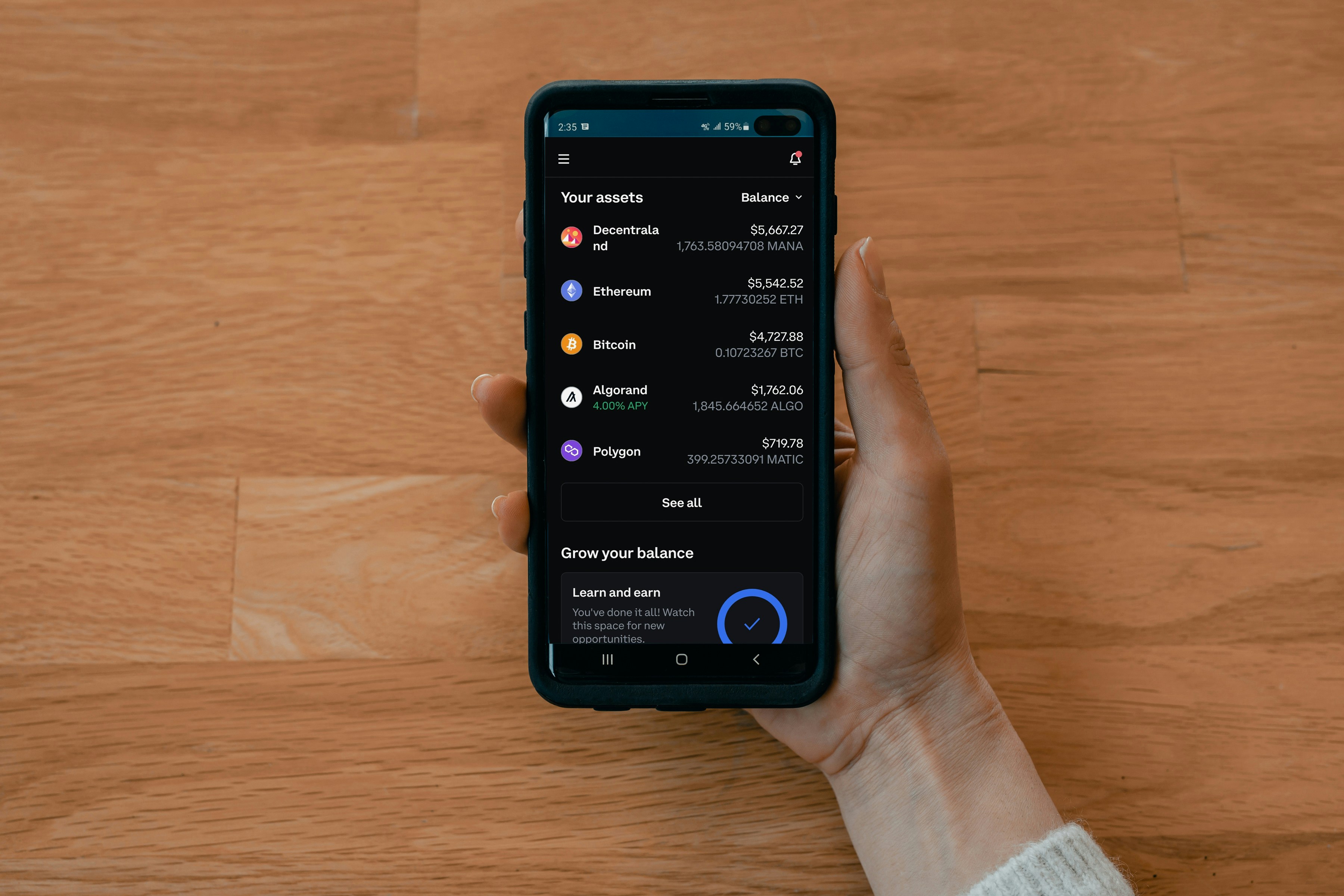
Understanding the Risks: Cryptocurrency and Online Brokerage Accounts
The rapid adoption of cryptocurrency and the use of online brokerage accounts have introduced a plethora of opportunities for investors, but they also come with significant risks. One of the primary concerns is the threat of cyber attacks, which have become increasingly sophisticated over the years. Cybercriminals often exploit vulnerabilities in exchange platforms, leading to costly hacks that can wipe out investor portfolios. Notable incidents, such as the Mt. Gox exchange hack in 2014, serve as stark reminders of the potential for losing substantial assets due to inadequate security measures.
Additionally, the issues of platform insolvency cannot be overlooked. The volatility of the cryptocurrency market and the immature nature of some exchanges can result in insolvencies that leave investors with little recourse. The collapse of platforms like QuadrigaCX highlights the lack of regulatory oversight in certain jurisdictions, which can exacerbate the risks associated with online brokerage account security. Investors must remain vigilant and thoroughly research the platforms they choose to avoid falling victim to similar failures.
Regulatory changes also present a significant risk, as the landscape for cryptocurrency regulations is still evolving. Sudden shifts in regulatory policies can lead to market fluctuations, impacting the value of digital assets and the overall stability of online brokerage accounts. Understanding these risks is fundamental for effective asset protection for cryptocurrency holders. For instance, utilizing secure storage methods such as hot wallets versus cold wallets can minimize exposure to theft. Furthermore, having mechanisms like transaction anomaly watches in place allows investors to monitor unexpected activities, thereby enhancing their retirement account protection. Overall, the combination of these risks underscores the importance of developing a robust strategy for asset protection in the cryptocurrency space.
Setting Up Secure Storage for Your Cryptocurrency
As the cryptocurrency market continues to grow, protecting these digital assets has become increasingly vital. To effectively safeguard your holdings, understanding the different storage options available is essential. Cryptocurrencies can be stored in several forms, primarily categorized into hot wallets and cold wallets.
Hot wallets are connected to the internet, allowing for quick and easy access to your funds. These wallets are typically found in mobile apps or web-based platforms, making them convenient for frequent transactions. However, because they are online, they face greater exposure to cyber threats, making online brokerage account security a significant concern. Users are encouraged to enable two-factor authentication and use strong, unique passwords to add an extra layer of security.
In contrast, cold wallets are offline storage solutions, such as hardware wallets or paper wallets. By keeping the private keys offline, cold wallets provide superior protection against online threats. Hardware wallets, in particular, are recognized for their security features and user-friendly interfaces. While their initial setup may be more challenging compared to hot wallets, they greatly reduce the risks associated with hackers and malware. Diversifying your storage methods can further enhance asset protection for cryptocurrency.
It is also crucial to keep your private keys and recovery phrases secure. Best practices include storing these sensitive details in a safe place, preferably using a secure, encrypted method. Additionally, regular audits and Taw transactions anomaly watch can help in identifying unauthorized access or unusual activity, which is critical for maintaining the integrity of your cryptocurrency investments.
Ultimately, the choice of storage should align with your investment strategy and risk tolerance, blending convenience and security for optimal cryptocurrency asset protection.
Utilizing Legal Structures for Asset Protection
In the landscape of cryptocurrency and online brokerage accounts, ensuring effective asset protection is paramount. Employing legal structures such as Limited Liability Companies (LLCs), trusts, and offshore accounts can provide robust protections for digital assets. Each of these structures offers unique benefits and limitations that are essential to consider when crafting an asset protection strategy.
LLCs are a popular choice for asset protection due to their ability to segregate personal and business assets. By establishing an LLC, cryptocurrency investors can shield their digital assets from personal liability, thus protecting them in the event of legal disputes or creditors’ claims. Furthermore, LLCs can offer tax advantages through pass-through taxation, which can be especially beneficial for investors managing multiple streams of income.
Trusts, on the other hand, provide a powerful mechanism for asset protection while ensuring privacy. With a trust, assets can be transferred to a trustee, effectively removing them from the control of the original owner. This not only secures the assets from potential creditors but also maintains anonymity, a crucial factor for many investors in the cryptocurrency space. Additionally, certain types of trusts may allow for greater control over how assets are distributed after the owner’s passing, thereby facilitating estate planning.
Offshore accounts represent another strategic option for asset protection, offering enhanced privacy and sometimes favorable tax laws. By placing assets in a reputable offshore jurisdiction, investors can protect their cryptocurrencies from unfavorable regulations within their home countries. However, this approach may come with complexities related to compliance and transparency.
In conclusion, utilizing legal structures for asset protection is an essential consideration for cryptocurrency investors. By carefully evaluating options such as LLCs, trusts, and offshore accounts, individuals can not only safeguard their assets but also enjoy the benefits of anonymity and potential tax advantages. These strategies underscore the importance of structured legal frameworks in enhancing asset protection for cryptocurrency and ensuring a more secure financial future.
Insurance Options for Digital Assets
As the landscape of digital investments continues to evolve, securing these assets has become increasingly imperative. Insurance options for cryptocurrency and online brokerage accounts are critical components of a robust asset protection strategy. One of the primary forms of coverage available is crime insurance tailored for digital assets. This type of policy is designed to protect investors against losses resulting from fraudulent activities, including theft, hacking incidents, and other malicious acts.
In selecting the right insurance policy, it is essential to review the specifics of coverage provided, as policy limits, exclusions, and conditions can vary significantly from one insurer to another. For instance, some policies may cover losses specifically arising from hot wallet vs cold wallet security breaches, while others may not extend their coverage to losses incurred under certain circumstances. Potential policyholders should also be cautious of limitations on the types of losses covered, which can affect retirement account protection as well.
Moreover, it is advisable for investors to stay updated on any changes to their chosen policy, as the rapidly changing nature of cryptocurrency regulations and threats can impact coverage needs. Regular communication with the insurance provider can ensure that the policy remains aligned with the investor’s current asset protection for cryptocurrency strategy. Practical tips for selecting appropriate insurance policies include evaluating the reputation of the insurer, assessing the coverage limits in relation to the qualitative value of digital assets, and ensuring transparency in the policy terms regarding taw transactions anomaly watch.
Overall, being informed and vigilant when it comes to insurance for digital assets is crucial for safeguarding against potential risks in the cryptocurrency and online brokerage space. By carefully considering available insurance options and actively monitoring policy developments, investors can enhance their asset protection efforts and secure their investments effectively.