

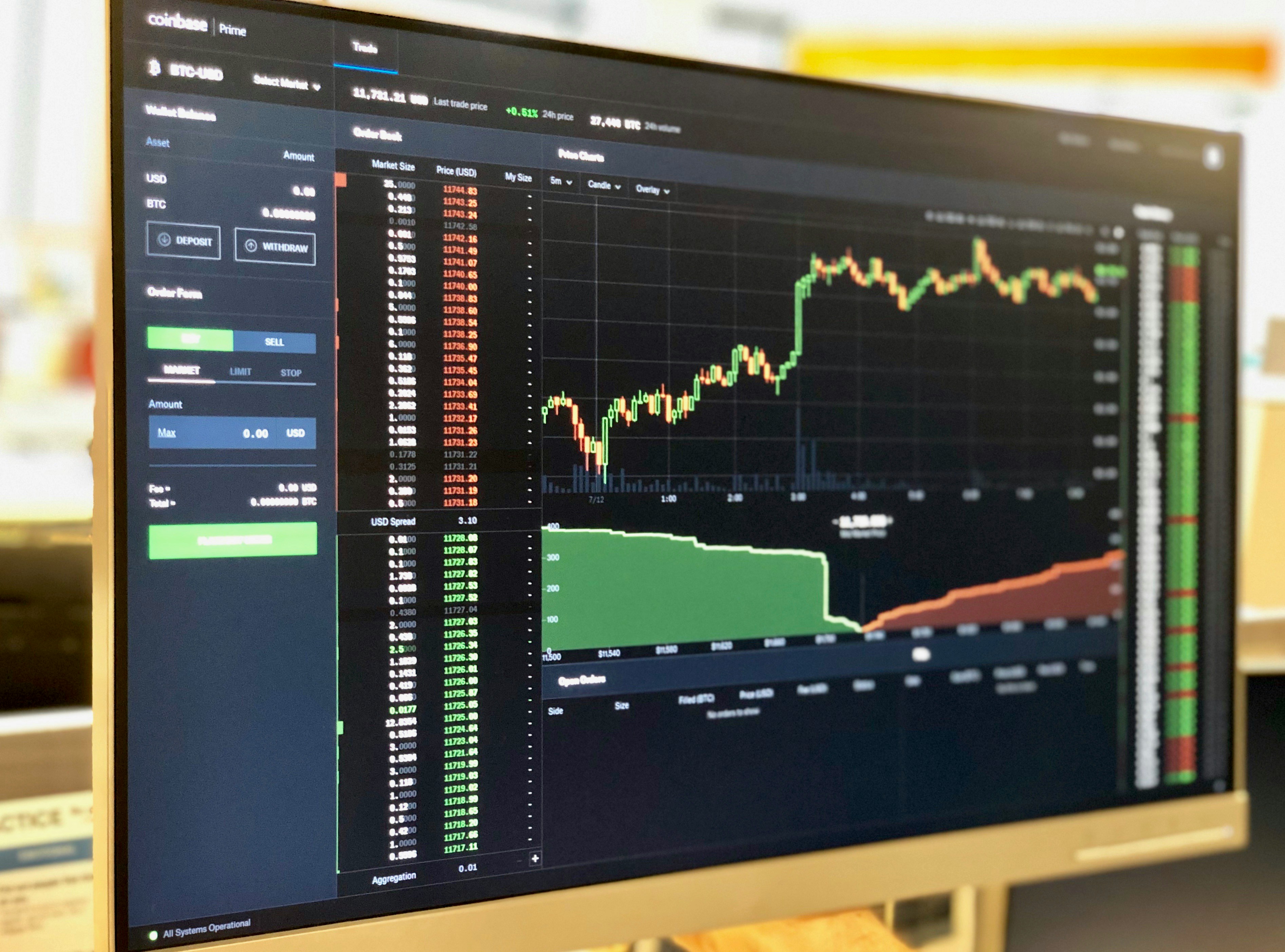
Understanding Digital Asset Fraud
The rapid growth of digital assets has unfortunately been accompanied by an increase in fraud targeting these valuable resources. Digital asset fraud is a broad term that encompasses various deceitful activities designed to compromise the security of financial transactions and digital holdings. Among the most common forms of fraud in this landscape are phishing attacks, unauthorized wallet activity, and complex scam tactics that often go unnoticed until significant damage has occurred.
Phishing remains a prevalent threat, with cybercriminals employing deceptive emails or messages to lure individuals into revealing sensitive information. This technique often leads to unauthorized access to personal wallets or exchanges where digital assets are stored. Furthermore, the evolving nature of such scams—coupled with increased sophistication—makes fraudulent activities increasingly challenging to detect. As a result, individuals and organizations must remain vigilant and proactive in protecting their digital investments.
In addition to phishing, other tactics used by fraudsters include social engineering, where attackers manipulate individuals into divulging confidential information under false pretenses. This can result in significant losses, particularly when attackers gain access not just to one wallet, but multiple accounts linked to a single individual or organization. The impact of these fraudulent activities can be far-reaching, often eroding trust in digital asset platforms and increasing the demand for robust security measures.
As digital asset protection continues to evolve, employing advanced taw security tools has become critical in countering these threats. Tools such as transaction anomaly watch (TAW) play an instrumental role in identifying and safeguarding against potential fraud. By monitoring transaction patterns, TAW technology can help detect anomalies indicative of unauthorized or potentially fraudulent activities, providing an essential layer of protection for digital asset holders in an increasingly treacherous environment.
The Importance of Monitoring Transactions
In the dynamic landscape of digital asset management, the importance of continuous monitoring cannot be overstated. Businesses that deal with digital assets are increasingly becoming targets of fraud, necessitating robust systems for transaction oversight. Unauthorized wallet activity can lead to significant financial losses, making it imperative for companies to implement effective monitoring mechanisms like digital asset fraud detection tools.
Monitoring transactions allows businesses to identify and respond to anomalies swiftly. For instance, a sudden spike in transaction volume or unusual transaction patterns may indicate fraudulent activity. By employing comprehensive transaction analysis through tools like the Transaction Anomaly Watch (TAW), organizations can detect these irregularities early, preventing potential financial damage. TAW security tools are designed to scrutinize every transaction meticulously, providing alerts for activities that diverge from established norms.
Furthermore, continuous oversight not only aids in identifying fraud but also enhances digital asset protection protocols. By regularly reviewing transactions, businesses can ensure compliance with regulatory frameworks and internal policies. This proactive approach helps in establishing a secure digital environment, crucial for maintaining trust with clients and stakeholders. Investing in transaction anomaly monitoring is not merely defensive; it is also a strategic initiative that contributes to the organization’s overall resilience against digital threats.
Ultimately, the necessity of monitoring transactions is highlighted by the evolving nature of cyber threats targeting digital assets. As fraudsters develop increasingly sophisticated strategies, it becomes essential for businesses to stay one step ahead. By prioritizing monitoring practices such as TAW, organizations can systematically address potential risks and foster a stronger security posture for their digital resources. This proactive stance is essential for mitigating unauthorized wallet activity and ensuring the integrity of every transaction.
How Transaction Anomaly Watch Works
Transaction Anomaly Watch (TAW) employs cutting-edge monitoring techniques to enhance digital asset fraud detection. By utilizing advanced algorithms and machine learning capabilities, TAW continuously analyzes transaction patterns within various digital wallets. The technology is designed to identify deviations from established behavioral norms that may signify unauthorized wallet activity or potential fraud.
At the core of TAW’s functionality is a sophisticated system of real-time analytics that scrutinizes transactions as they occur. This allows for prompt recognition of anomalies that could indicate hidden fraud patterns. For instance, if a user’s typical transaction behavior includes minor, regular transfers, a sudden large withdrawal may trigger an alert. By establishing a baseline of expected activity, TAW can swiftly flag any unauthorized movements that deviate from the norm.
Furthermore, TAW integrates a feedback loop where the system learns from past anomalies to continually improve its detection capabilities. Each transaction is meticulously evaluated, with the machine learning algorithms adapting to emerging trends in fraudulent behavior. This evolution ensures that TAW remains effective against increasingly sophisticated fraud attempts targeting digital assets.
In practical applications, TAW can be instrumental for both individual users and businesses. For example, a cryptocurrency exchange might deploy TAW to monitor withdrawal requests. If the system detects round-the-clock withdrawals from a previously inactive account, indicative of potential fraud, it can alert security teams to investigate further. This proactive surveillance is an essential component of digital asset protection, giving organizations and users the confidence to conduct transactions without fear of undiscovered threats.
These advanced techniques, facilitated by TAW security tools, demonstrate the platform’s commitment to safeguarding digital assets against the continuously evolving landscape of transaction-related fraud.
Implementing TAW as Your Digital Shield
As businesses increasingly rely on digital platforms for transactions, ensuring the protection of digital assets has never been more critical. Implementing a robust monitoring system, such as Transaction Anomaly Watch (TAW), can serve as a vital safeguard against unauthorized wallet activity and hidden transaction fraud. The integration of TAW into existing financial frameworks can be structured in a series of straightforward steps that enhance digital asset protection.
The first step involves assessing current security measures in place. Businesses should conduct a thorough audit of their existing systems, identifying gaps where unauthorized wallet activity could pose a threat. After establishing these vulnerabilities, the next step is to define the specific goals for TAW implementation, focusing on aspects like real-time monitoring and alerts for transaction anomalies.
Subsequently, choosing the appropriate taw security tools becomes essential. Several software solutions offer various features tailored to specialized needs. It is advisable to opt for tools that can seamlessly integrate with existing financial systems, ensuring that the transition is smooth and does not disrupt ongoing operations. Training staff on how to effectively use these tools is also crucial, as awareness and understanding of the system among employees will reinforce digital asset fraud detection.
Once TAW is operational, ongoing evaluation plays an indispensable role in maintaining its effectiveness. Regularly reviewing the system and its processes can help refine its functions and respond to new types of threats that may not have been previously identified. The benefits of adopting TAW extend beyond immediate security; they contribute to long-term resilience against financial fraud, ultimately safeguarding digital assets and enhancing overall operational integrity. By proactively utilizing monitoring solutions like TAW, businesses position themselves ahead of potential financial threats.